
Call For a Free Consultation | (904) 357 0090 | Available 24/7
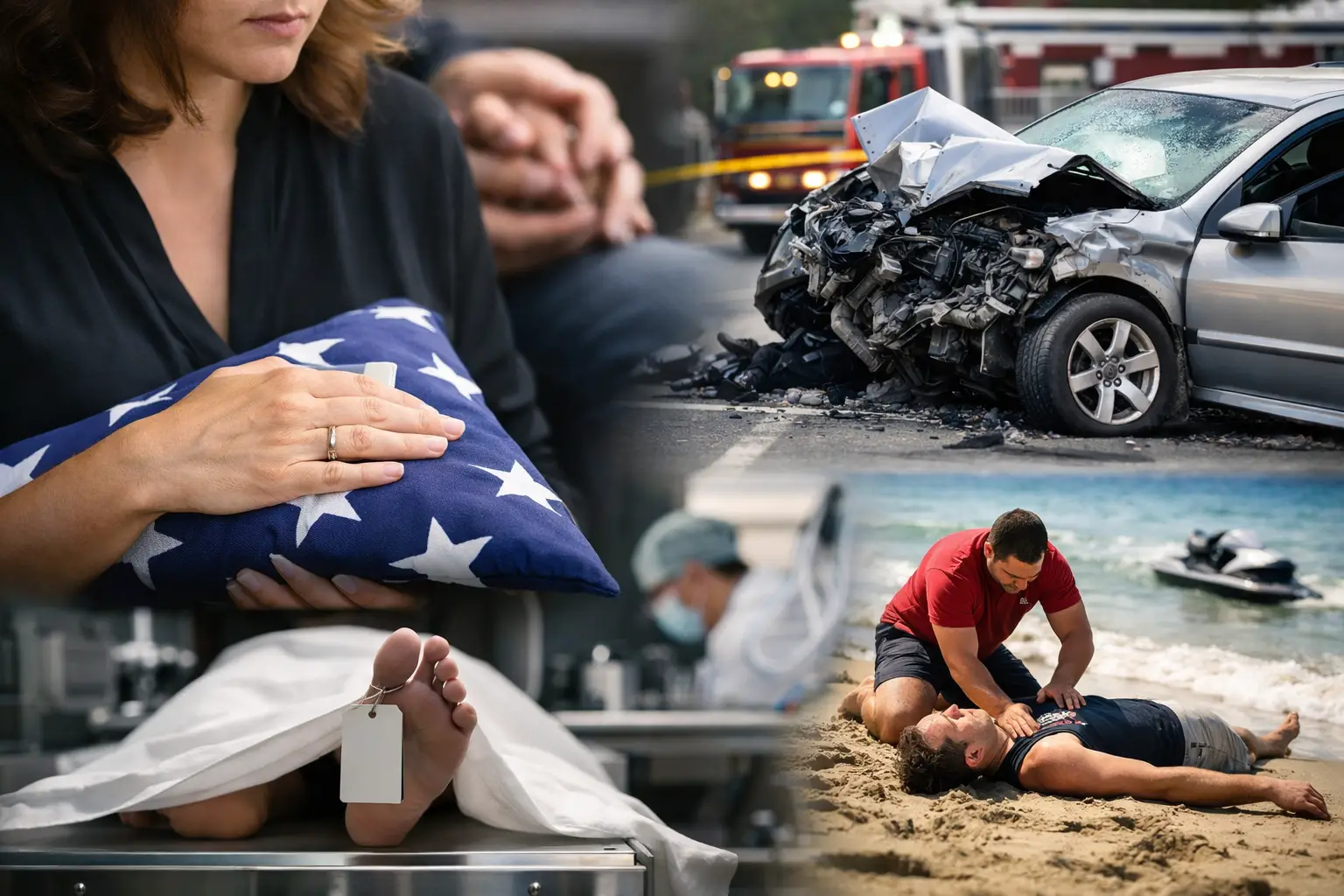
A fatal loss changes everything in a moment. One phone call can leave a family grieving, facing unpaid bills, and asking how something so preventable was allowed to happen. These wrongful death examples can help Florida families recognize when a tragedy may involve legal responsibility, not just heartbreak.
A wrongful death claim is not about placing a dollar value on someone’s life. It is about seeking accountability when another person, business, or institution’s negligence or wrongful conduct caused a death. It can also give surviving family members a way to pursue financial support after losing someone whose care, income, guidance, and presence cannot be replaced.
Not every accidental death creates a wrongful death case. The central question is whether someone failed to use reasonable care, violated a legal duty, or acted wrongfully, and whether that failure caused the fatal injury.
For example, a driver who looks down at a phone and crosses the center line may be liable for a fatal collision. A property owner who ignores a known security risk or dangerous stairway may be liable when that condition leads to a death. The facts matter, and so does the evidence available before it disappears.
In Florida, a wrongful death action is generally brought by the personal representative of the deceased person’s estate for the benefit of qualifying survivors and the estate. The damages available depend on the family relationship, the circumstances of the loss, and the type of claim. That is one reason families should get clear legal guidance early rather than rely on an insurance company’s interpretation of what is fair.
A driver who speeds through a red light, drives while impaired, races, texts behind the wheel, or follows too closely can cause a catastrophic collision. In addition to the at-fault driver, other parties may be involved in limited circumstances, such as an employer whose driver was working at the time or a business that unlawfully served alcohol. Each case requires a careful review of the facts.
Truck crashes are often more complicated than ordinary car accidents. A fatigued driver, overloaded trailer, defective brakes, poor maintenance, or pressure from a trucking company to meet an unrealistic schedule can turn a preventable mistake into a fatal event. Electronic driving logs, inspection records, onboard data, and maintenance files may be critical evidence.
Some fatal crashes are made worse by unsafe road design, missing signs, malfunctioning traffic signals, poor lighting, or hazardous construction zones. Claims involving government agencies and road contractors can have special rules and shorter notice requirements. A prompt investigation can determine whether the road condition played a role alongside driver error.
Medical professionals are trusted with lives. When a surgeon operates on the wrong site, a hospital fails to respond to distress, a provider misses clear signs of infection, or a patient receives the wrong medication, the consequences can be permanent. Medical malpractice cases require qualified expert review, and the medical records must be examined closely.
A delayed diagnosis does not automatically prove malpractice. Some conditions are difficult to detect, even with proper care. But when a doctor ignores obvious symptoms, fails to order reasonable testing, misreads results, or does not make an appropriate referral, a treatable illness may become fatal. The key issue is whether competent care would likely have changed the outcome.
Families place nursing home residents in the hands of caregivers because they need protection, supervision, and dignity. Fatal dehydration, malnutrition, falls, medication mistakes, infections, wandering incidents, and physical abuse may point to neglect or understaffing. Documentation, staffing patterns, incident reports, and prior complaints can reveal what truly happened.
A wet floor with no warning, broken handrail, unsafe balcony, poorly maintained stairs, or inadequate lighting may cause a deadly fall. Property owners are not automatically responsible for every injury on their premises. Still, they can be held accountable when they knew or should have known about a dangerous condition and failed to correct it or warn visitors.
When a violent crime occurs at an apartment complex, hotel, parking lot, nightclub, or store, the criminal offender is not always the only party to examine. If the property owner knew of recurring crime or clear security dangers but failed to provide reasonable lighting, locks, cameras, gates, or security personnel, a negligent security claim may be possible.
Construction workers face hazards from falls, collapsing trenches, electrocution, defective equipment, falling objects, and heavy machinery. Workers’ compensation may provide benefits after a workplace death, but it may not be the only available remedy. A claim against a negligent subcontractor, property owner, equipment manufacturer, or other third party may also exist.
A defective airbag, dangerous prescription drug, faulty vehicle part, unsafe consumer product, or malfunctioning machine can cause fatal injuries despite proper use. These cases may involve a design defect, manufacturing defect, or failure to warn about known dangers. Manufacturers often have significant resources, which makes preserving the product and obtaining experienced legal help especially important.
A delivery van, utility truck, company car, or employee-operated vehicle can create liability beyond the driver personally. If the driver was performing job duties, the employer may be responsible for the employee’s negligence. In some cases, negligent hiring, training, supervision, or vehicle maintenance may also be relevant.
Wrongful death claims can arise from intentional violence as well as negligence. A criminal prosecution and a civil wrongful death case are separate matters. Even if criminal charges are pending, a family may have a civil claim against the person who caused the harm or another responsible party, such as a business that failed to address foreseeable security threats.
Two cases may look similar from the outside but lead to very different legal conclusions. Consider a fatal fall: a family may initially believe it was simply an accident. Security footage might later show a spill sat unaddressed for hours. A maintenance log may show the railing had been reported as loose. Those details can change the entire case.
The same is true after a fatal crash. A driver may claim the deceased person caused the collision, while vehicle data, witness statements, phone records, and crash reconstruction tell a different story. Insurers begin building their defense early. Families deserve someone who will move quickly to protect the truth.
No recovery can restore the person your family lost. A wrongful death claim can, however, address tangible and intangible losses recognized under Florida law. Depending on the case and the eligible survivors, damages may include lost support and services, loss of companionship or guidance, mental and emotional pain and suffering, medical expenses, funeral expenses, and lost income or estate-related losses.
Insurance companies may focus on a narrow number and hope grief, exhaustion, or financial pressure forces a quick settlement. A careful case evaluation looks beyond immediate bills. It considers the full impact of the loss on the spouse, children, parents, and the estate.
Grief does not follow a schedule, but evidence often does. Save photographs, messages, medical paperwork, bills, police reports, names of witnesses, and any information about the incident. Do not sign insurance releases or accept a settlement before understanding what rights may be affected.
It also helps to avoid discussing fault on social media or with an opposing insurer. Their questions may sound routine, but recorded statements and casual comments can later be used to minimize responsibility. Let a lawyer deal with the pressure while your family has room to mourn.
The Law Offices of Stephen A. Smith approaches these cases with compassion and resolve. Where faith and justice meet, families deserve honest answers, direct attorney attention, and a legal advocate prepared to fight for the accountability their loved one deserves. If you suspect negligence caused a death, seeking a prompt case review can protect evidence and give your family a clearer path forward.


