
Call For a Free Consultation | (904) 357 0090 | Available 24/7
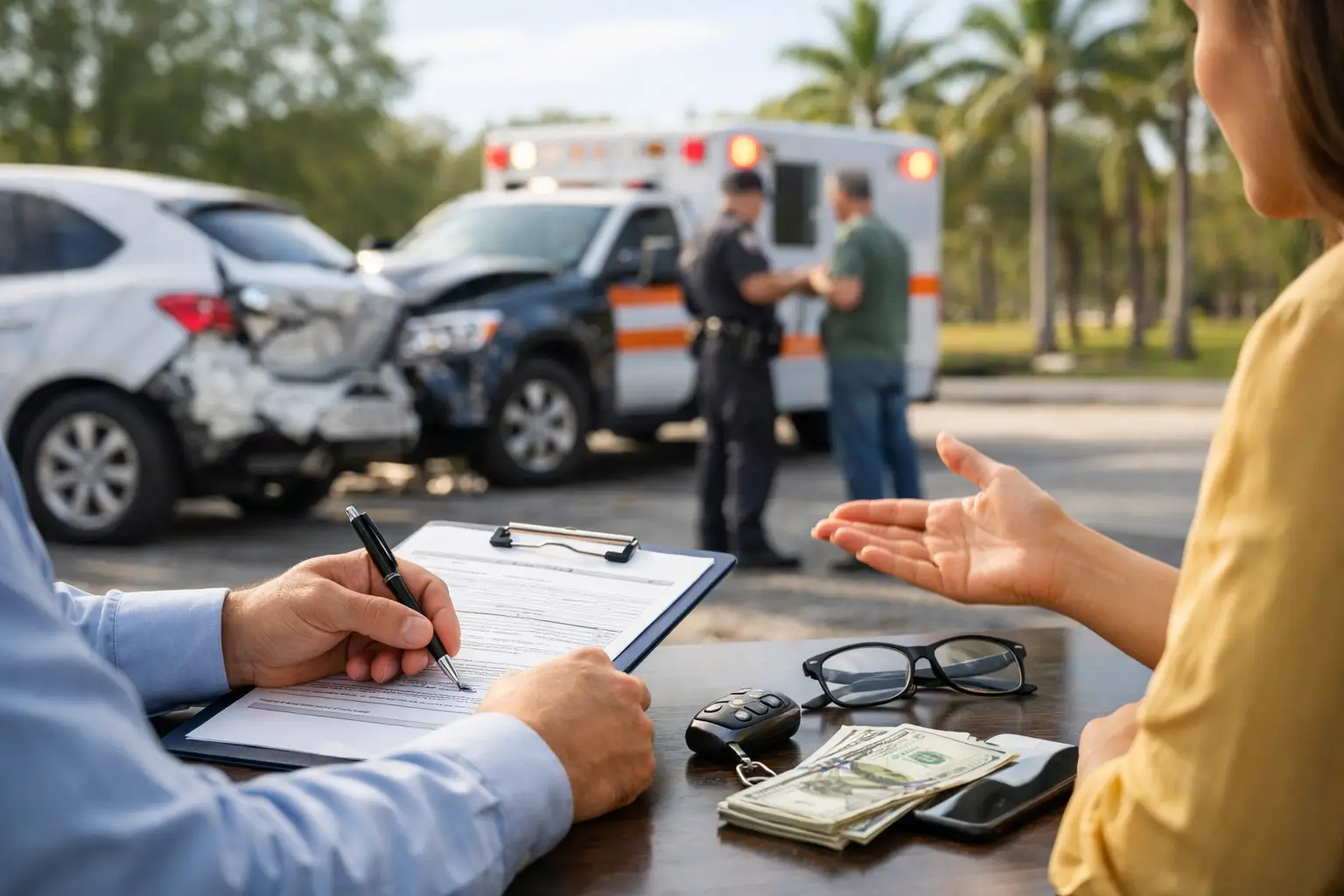
A Florida crash can leave you hurt, unable to work, and getting calls from insurance adjusters before you have had time to process what happened. Understanding how Florida no fault insurance works can help you protect your medical benefits and avoid a costly mistake in the first days after a collision. “No fault” does not mean no one is responsible. It means your own auto insurance is usually the first place to turn for certain benefits, regardless of who caused the wreck.
Florida’s system can be confusing because it provides limited immediate coverage while still allowing seriously injured people to bring claims against negligent drivers. The details matter, especially when treatment is delayed, injuries worsen, or an insurer tries to minimize a claim.
Florida drivers are generally required to carry Personal Injury Protection, known as PIP. The minimum required PIP coverage is $10,000. After a qualifying motor vehicle crash, PIP may pay benefits to you, certain relatives in your household, passengers without their own qualifying coverage, and in some cases pedestrians or bicyclists.
PIP is called no-fault coverage because it is available whether you caused the collision, another driver caused it, or fault is still being investigated. You do not have to prove the other driver was negligent before seeking these benefits from your own insurer.
That can provide needed help quickly, but PIP is not a full recovery. It generally pays only a percentage of covered losses, is subject to policy limits and any deductible, and does not compensate you for pain, suffering, or the full impact the injury has had on your life.
For covered accident-related treatment, Florida PIP generally pays 80% of reasonable and necessary medical expenses. It can also pay 60% of lost wages when an injury keeps you from working, along with certain replacement services when someone needs help with tasks they can no longer perform because of their injuries.
The coverage limit is often the greatest problem. A trip to the emergency room, diagnostic imaging, follow-up care, physical therapy, or specialist treatment can quickly exceed $10,000. Even before the limit is reached, PIP normally does not pay 100% of the bill.
If someone dies because of crash injuries, PIP may also provide a death benefit. The amount and available benefits depend on the policy and circumstances. Families facing this kind of loss should be careful before accepting an insurer’s explanation of what is available or signing any release.
PIP also does not pay for vehicle repairs. Property damage is handled separately, usually through the at-fault driver’s property damage liability coverage, your collision coverage if you purchased it, or another applicable policy.
One of the most unforgiving parts of Florida PIP law is the 14-day treatment requirement. To qualify for PIP medical benefits, you generally must receive initial medical services and care within 14 days of the crash.
Do not assume soreness will disappear if you are experiencing pain, headaches, numbness, dizziness, limited movement, or other symptoms after a collision. Some injuries, including concussions, soft-tissue damage, and spinal injuries, may not show their full effect at the scene. Getting evaluated promptly protects both your health and your potential benefits.
Waiting beyond 14 days can jeopardize PIP coverage, even when the crash was clearly another driver’s fault. An insurance adjuster is not the person to ask whether your symptoms are serious enough to warrant medical care. Speak with an appropriate medical provider and follow the treatment recommendations you receive.
The full $10,000 in PIP medical benefits is not automatic. Under Florida law, access to that full amount generally requires a medical provider to determine that you had an emergency medical condition, often called an EMC. This is a condition with acute symptoms that could reasonably be expected to create serious jeopardy to health, serious impairment of bodily functions, or serious dysfunction of an organ or body part without immediate medical attention.
Without an EMC determination, available PIP medical benefits may be limited to $2,500. That distinction can make a major difference for an injured person already facing medical bills and missed work. Your doctors should make medical decisions based on your condition, but accurate medical records and a proper evaluation can become central to an insurance dispute.
Florida no-fault insurance was designed to handle smaller injury claims through PIP. It does not prevent a lawsuit when someone suffers a serious injury caused by another person’s negligence.
A person may pursue the at-fault driver for damages beyond PIP when the injury involves a significant and permanent loss of an important bodily function, permanent injury within a reasonable degree of medical probability, significant and permanent scarring or disfigurement, or death. These are commonly called the serious injury threshold requirements.
If the threshold is met, a claim may seek damages that PIP does not cover, including unpaid medical expenses, future treatment, lost earning capacity, pain and suffering, mental anguish, and loss of enjoyment of life. In a wrongful death case, surviving family members may have additional claims under Florida law.
Whether an injury is legally “permanent” is not something an insurance company gets to decide simply because it says you should be better by now. It may require medical evidence, careful documentation, and a thorough understanding of how the injury will affect a person’s future.
A negligent driver may have only the minimum $10,000 in property damage liability coverage and no bodily injury liability coverage at all. Florida does not require every driver to carry bodily injury liability insurance for every vehicle, which creates a painful gap for many crash victims.
That is why a full case review should look beyond the other driver’s first insurance card. There may be bodily injury coverage, uninsured or underinsured motorist coverage on your own policy, coverage through a household member, commercial coverage, or additional responsible parties. A truck crash, rideshare collision, work-related wreck, or crash involving a company vehicle can involve insurance issues far different from an ordinary two-car accident.
Uninsured and underinsured motorist coverage, often called UM or UIM coverage, can be especially valuable. It may help when the at-fault driver has no insurance or too little insurance to cover the harm they caused. The availability and amount of coverage depend on the policy language and facts of the crash.
Your first responsibility is your safety and medical care. Call 911 when appropriate, report the crash, and get evaluated promptly if you are injured or feel symptoms developing. If you can do so safely, take photographs of the vehicles, scene, injuries, and road conditions, and keep the names of witnesses.
Notify your insurer, but be thoughtful in your communications. You can report the facts of the collision without guessing about fault, minimizing your pain, or giving a recorded statement before you understand your injuries. Do not let a friendly adjuster persuade you that an early settlement is enough when you are still treating and do not know whether you will need future care.
Keep copies of medical records, prescriptions, work-loss information, receipts, and messages from insurers. Follow your doctor’s instructions. Gaps in treatment can affect your recovery and give an insurer room to argue that your injuries were not serious or were unrelated to the crash.
There are also deadlines for insurance claims and lawsuits. In many Florida negligence cases, the deadline to file suit is now shorter than it once was, and the correct deadline can depend on when the crash occurred and the type of claim involved. Waiting can cost you evidence, leverage, and possibly your right to recover.
You may not need a lawyer for every minor crash. But legal guidance becomes especially important when injuries are serious, PIP benefits are denied, treatment exceeds available coverage, fault is disputed, a commercial vehicle is involved, or an insurer is pressuring you to settle.
The Law Offices of Stephen A. Smith helps injured Floridians understand the insurance coverage available to them and fight for the compensation negligence has taken from their lives. There is no fee unless we win, and help is available when a crash has left you uncertain about what comes next.
After a collision, do not let the phrase “no fault” convince you that justice is out of reach. Get the medical care you need, preserve what happened, and ask questions before you give up any right. Knowledge is power, and faith can fuel the fight for the care, stability, and accountability your family deserves.


