
Call For a Free Consultation | (904) 357 0090 | Available 24/7
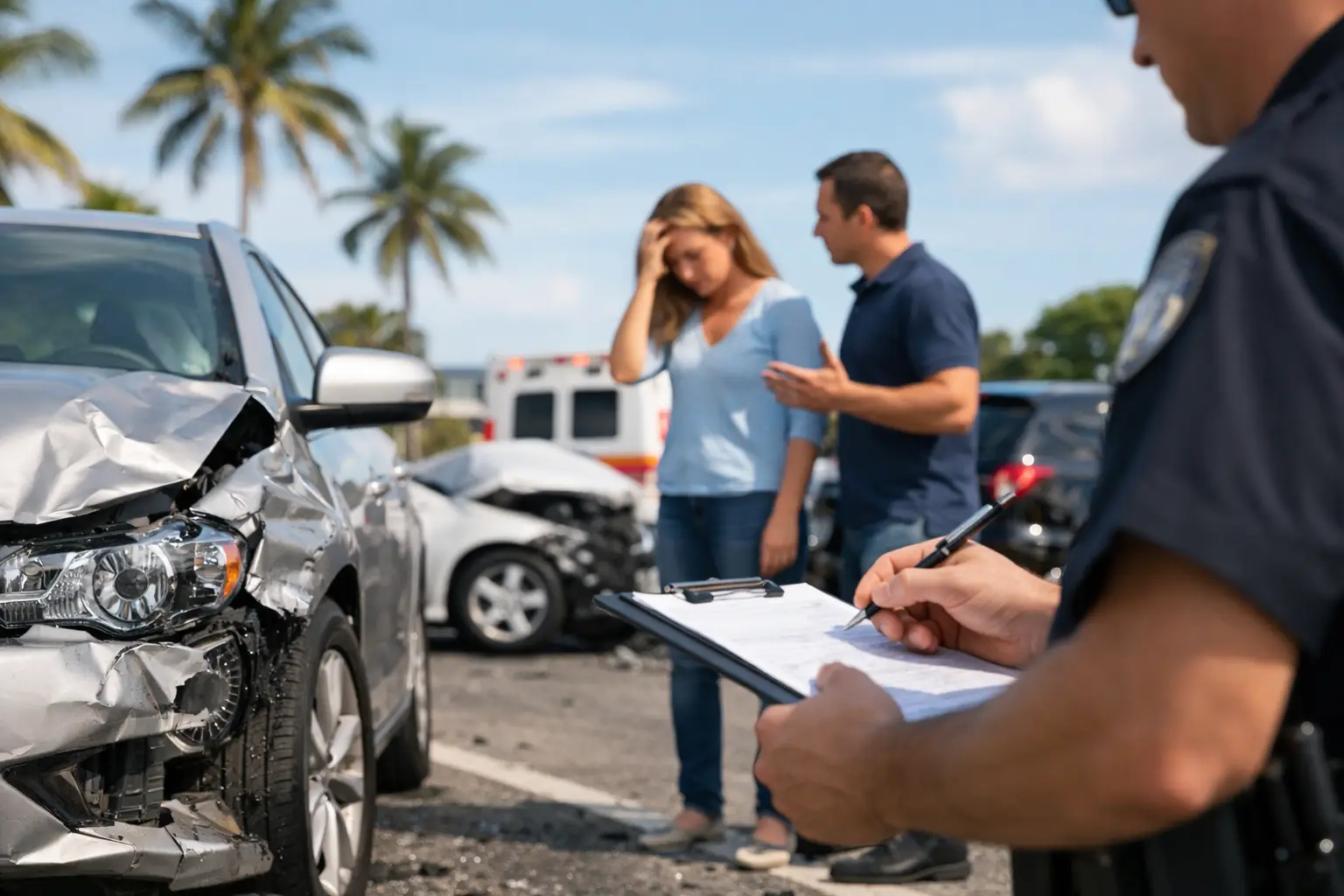
The minutes after a crash can feel unreal. Your vehicle is damaged, your body may be running on adrenaline, and an insurance adjuster may call before you have even seen a doctor. After car accidents, the choices made in those first days can affect both your recovery and your ability to obtain fair compensation.
No one plans to be hurt because another driver was speeding, distracted, impaired, or careless. But when it happens, you deserve clear answers, compassionate support, and someone willing to fight for justice when an insurer tries to minimize what the crash has taken from you.
If you have not received medical care, start there. Call 911 from the scene when there are injuries, dangerous road conditions, or significant vehicle damage. Accept emergency evaluation if first responders recommend it, even if you believe you are “fine” at the moment.
Some crash injuries are not obvious right away. Whiplash, concussions, internal injuries, soft-tissue damage, and back injuries can worsen after the adrenaline fades. Waiting too long can put your health at risk, and it can also give an insurance company room to argue that your injuries were unrelated to the collision.
In Florida, timing matters for another reason. Personal Injury Protection, commonly called PIP, generally requires an injured person to receive medical care within 14 days of the accident to seek PIP benefits. The details of available coverage can depend on your policy, the treatment received, and the nature of the injury. Do not assume a quick checkup means the matter is settled. Follow your doctor’s instructions, attend recommended appointments, and keep records of every symptom, diagnosis, bill, and prescription.
If it is safe to do so, move out of traffic, turn on hazard lights, and call law enforcement. Florida crashes should be reported when they involve injury, death, or apparent property damage of $500 or more. A police report is not the final word on fault, but it can preserve important information while memories are fresh.
Exchange contact and insurance information with the other driver. Avoid debating blame, apologizing, or guessing about what happened. A simple statement of concern for everyone involved is enough. Even a well-meaning apology can later be mischaracterized as an admission of fault.
Photographs and video can be powerful evidence. If your condition allows, document vehicle positions, damage, skid marks, debris, road hazards, traffic signs, weather conditions, and visible injuries. Get the names and contact details of witnesses. If a nearby business, home, or intersection camera may have captured the collision, make a note of it. Video footage can disappear quickly.
Once you are home, the pressure often changes shape. You may be in pain, unable to work, arranging transportation, and fielding calls from insurance representatives. This is when a few careful actions can protect your claim.
Start a simple recovery journal. Record pain levels, sleep problems, missed work, activities you can no longer do, medical appointments, and the ways your injuries affect your family life. Medical records explain diagnosis and treatment. Your own notes can help show the human cost of the injury.
Keep all documents in one place: the crash report number, photographs, medical bills, repair estimates, wage-loss information, insurance letters, and receipts for medications, mileage, or medical equipment. Do not repair, sell, or dispose of your vehicle until it has been adequately documented and, when appropriate, inspected.
Be cautious on social media. A photo from a family gathering or a short post saying you are “doing okay” may be taken out of context. Insurers look for material they can use to challenge the seriousness of an injury. You do not have to disappear from your life, but privacy and restraint are wise while a claim is pending.
Insurance companies often move quickly after a wreck. A fast settlement offer may sound like relief when bills are arriving, but it may not account for the treatment you will need next month, the wages you may lose, or the lasting effect of your injury.
Before accepting money or signing a release, understand what you are giving up. A release usually ends your right to seek additional payment for the same crash, even if your medical condition later becomes more serious. Once it is signed, there is often no second chance.
You are generally required to cooperate with your own insurer, but you do not need to provide a recorded statement to the other driver’s insurance carrier without understanding why it is being requested. Adjusters are trained to gather information that protects their company. Their goal is not necessarily to measure the full value of your loss.
Florida’s insurance rules can add another layer of confusion. PIP may cover part of certain medical expenses and lost wages, subject to policy terms and legal requirements, but it often does not cover the full financial impact of a serious collision. Depending on the facts, a claim against the at-fault driver may seek damages beyond PIP, including unpaid medical expenses, future treatment, lost income, reduced earning ability, pain and suffering, and property losses.
Many crashes are not as simple as one driver rear-ending another at a stoplight. The other driver may claim you changed lanes suddenly. An insurer may argue that poor weather, a preexisting condition, or an earlier injury caused your pain. In some cases, more than one party may share responsibility.
Florida generally uses a modified comparative negligence system. That means your compensation may be reduced by your percentage of fault, and a person found more than 50% responsible may be barred from recovering damages in many negligence cases. The specific facts and applicable exceptions matter, which is why evidence should be protected early rather than left to an insurer’s version of events.
A careful investigation may involve reviewing vehicle damage, crash reports, witness statements, phone records, surveillance footage, road design, and, in serious cases, expert analysis. Commercial vehicle crashes can require additional investigation because trucking companies and their insurers may have records concerning maintenance, driver qualifications, hours of service, and electronic data.
Not every fender bender requires a lawsuit or even an attorney. If no one is injured, fault is clear, and the property-damage claim is handled fairly, you may be able to resolve it directly. But the calculation changes when there are injuries, missed work, a disputed claim, a commercial vehicle, an uninsured driver, or an offer that does not reflect the real consequences of the crash.
An experienced Florida car accident lawyer can evaluate available insurance coverage, handle communications with insurers, gather evidence, calculate damages, and prepare a case for litigation if a fair settlement is not offered. This lets you focus on healing instead of trying to negotiate with a company whose financial interests are opposite your own.
At The Law Offices of Stephen A. Smith, injured people and families are treated as people first, not claim numbers. Our approach is grounded in compassionate counsel, honest communication, and determined advocacy. We understand that knowledge is power, but faith fuels the fight when you are facing pain, uncertainty, and a future that suddenly looks different.
Deadlines apply to injury claims, and they can vary based on the type of case, the parties involved, and changes in Florida law. Claims involving government entities, wrongful death, or other special circumstances may involve additional notice requirements. Evidence also becomes harder to find as time passes. Witnesses forget. Video is erased. Vehicles are repaired. Records disappear.
Getting legal guidance early does not obligate you to file a lawsuit. It gives you the chance to understand your rights before an insurance company pressures you into a decision that cannot be undone. A contingency-fee arrangement can also mean you do not pay attorney fees unless there is a recovery, subject to the terms of your agreement.
A crash can interrupt your life in a moment, but you do not have to carry the legal burden alone. Seek the medical care you need, preserve what you can, and give yourself permission to ask for help. Strength sometimes means standing firm, and sometimes it means letting a trusted advocate stand beside you.


