
Call For a Free Consultation | (904) 357 0090 | Available 24/7
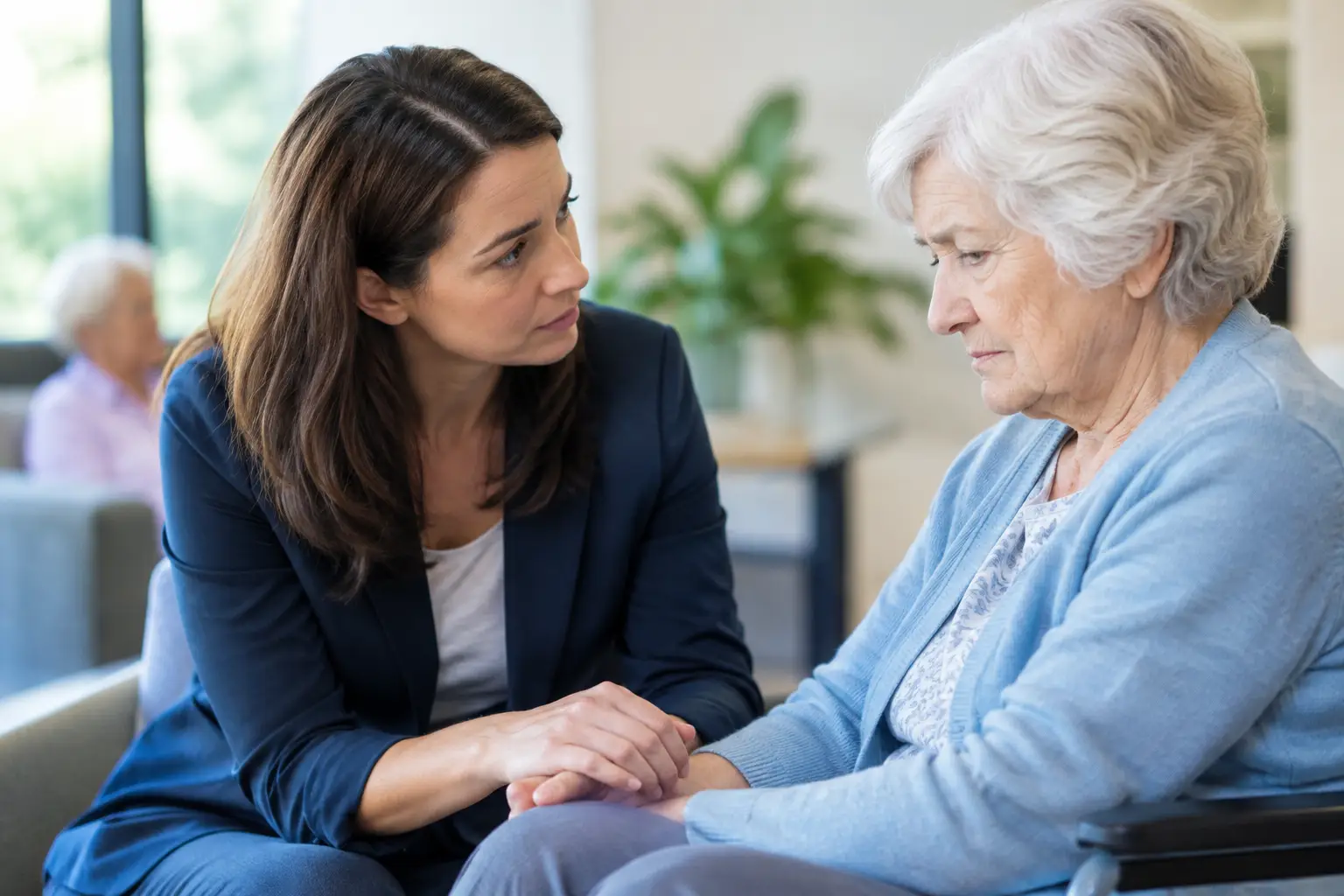
A sudden bruise. Repeated falls. Soiled bedding left unchanged. Medication that seems missed. When you need to report nursing home abuse, the hardest part may be accepting that something is wrong with a person or facility you trusted. Your loved one deserves safety, dignity, and attentive care. If those basic needs are being ignored, acting quickly can protect them and help stop the harm.
Florida families do not need proof beyond all doubt before speaking up. A reasonable concern is enough to make a report, ask questions, document what you see, and seek help. Your voice may be the protection your loved one cannot provide for themselves.
Nursing home abuse is not limited to physical violence. It can involve intentional harm, neglect, financial exploitation, emotional mistreatment, or failures in care that put a resident in danger. Some residents cannot explain what happened because of dementia, illness, medication, or fear of retaliation. That makes changes in their condition especially meaningful.
Physical warning signs can include unexplained bruises, cuts, burns, fractures, pressure sores, repeated falls, dehydration, weight loss, or poor hygiene. A resident who suddenly becomes withdrawn, fearful around a particular caregiver, agitated, or reluctant to speak may also be signaling distress.
Neglect often looks like a pattern of basic needs going unmet. Pay attention if your loved one is routinely left in wet clothing, lacks help with eating or toileting, misses medication, has dirty linens, or develops infections and bedsores. Staff shortages, turnover, and poor supervision may help explain how neglect occurred, but they do not excuse a facility from meeting residents’ needs.
Financial abuse can be harder to spot. Unusual bank withdrawals, missing jewelry, unexplained changes to legal documents, or pressure to give money to a staff member deserve immediate attention. Keep in mind that one isolated issue may have an explanation. Repeated concerns, evasive answers, and worsening conditions call for a closer look.
If your loved one is in immediate danger or has a serious injury, call 911 first. Request medical attention and, when possible, have your loved one evaluated at an emergency room or by an independent physician. Their health comes before the facility’s internal process.
If there is no immediate emergency, begin documenting what you observe. Write down dates, times, names of staff members, what you saw, and what your loved one said. Use their own words when possible. Take clear photographs of visible injuries, unsafe conditions, dirty rooms, pressure sores, or damaged personal property, if permitted and appropriate.
Preserve records rather than relying on memory. Save emails, text messages, billing statements, care-plan documents, medication lists, discharge papers, and voicemails. If another resident, visitor, or staff member witnessed an incident, record their name and contact information. Do not pressure anyone to make a statement. Simply note what they voluntarily share.
You may want to raise the concern with the charge nurse, director of nursing, administrator, or facility social worker. Ask for a written response and request that the concern be documented in your loved one’s chart. A conversation alone is often not enough. Put your concern in writing, keep a copy, and note who received it.
Be careful about signing documents that the nursing home presents after an incident. A facility may ask for a statement, release, or agreement before you understand what happened. You have every right to take time, ask questions, and seek legal guidance before signing.
The right reporting channel depends on the danger involved and the type of suspected abuse. More than one report may be appropriate. An internal complaint to the facility does not replace a report to outside authorities.
For urgent danger, serious injury, assault, or suspected criminal conduct, contact local law enforcement or call 911. Police involvement may be especially necessary when there are signs of physical assault, sexual abuse, theft, or intentional medication misuse.
For concerns involving the care or conditions at a Florida nursing home, you can file a complaint with the Florida Agency for Health Care Administration, the state agency that licenses and regulates many health care facilities. The Long-Term Care Ombudsman Program can also help residents and families raise concerns about quality of care, resident rights, and problems within long-term care settings.
If you believe a vulnerable adult is being abused, neglected, or exploited, a report to Florida’s adult protective services system may be warranted. These agencies can investigate concerns and coordinate protective action. If you are unsure which agency has authority, do not let that uncertainty delay you. Report the facts you know to the appropriate state or local resource, and ask where the matter should be directed.
When making a report, provide the resident’s name, the facility name and location, the date or approximate time of the incident, the people involved if known, and a clear description of what you observed. Explain whether your loved one needs immediate medical or safety intervention. Ask for a complaint or case number and keep it with your records.
Families often fear that reporting will make life harder for the resident. That fear is understandable. Residents have the right to be free from abuse, neglect, and retaliation for making a complaint. Yet practical protection matters, particularly while an investigation is pending.
Visit at different times of day and make notes after each visit. Ask who is assigned to your loved one’s care and whether the care plan has changed. Stay involved in care-plan meetings, request updates in writing, and watch for sudden restrictions on visits or communication.
In some situations, moving your loved one may be necessary. That decision depends on their medical needs, the availability of an appropriate alternative placement, and whether a transfer could disrupt needed treatment. Do not assume you must leave immediately if a safe plan can be established, but do not allow administrative delays to keep your loved one in a dangerous environment.
A state report can trigger an investigation, but it may not fully answer what happened or compensate your family for the harm. A nursing home abuse claim may involve medical records, staffing schedules, surveillance footage, incident reports, care plans, medication administration records, and expert review. Those records can disappear, be altered, or become harder to obtain as time passes.
A nursing home abuse attorney can move quickly to preserve evidence, investigate whether the facility violated standards of care, identify every responsible party, and pursue compensation for medical expenses, pain and suffering, disability, and other losses. If neglect or abuse contributed to a resident’s death, surviving family members may also have a wrongful death claim.
Not every bad outcome proves negligence. Elderly residents may have serious conditions that create real medical risks even with appropriate care. But a resident’s age, frailty, or dementia never gives a facility permission to cut corners. The question is whether the nursing home and its staff provided the reasonable care, supervision, treatment, and respect the resident required.
At the Law Offices of Stephen A. Smith, families can speak with an attorney about what happened without paying an upfront fee. We fight for accountability when negligent facilities and insurers try to minimize a resident’s suffering. Our approach is direct: listen carefully, investigate thoroughly, and pursue the justice your family deserves.
Nursing homes may describe a serious injury as an accident, a skin wound as unavoidable, or a missed medication as a simple mistake. Sometimes those explanations are true. Sometimes they conceal inadequate staffing, poor training, ignored warning signs, or a failure to provide basic care.
Trust your observations. Write down the facts, seek medical help when needed, make the appropriate reports, and get counsel before the evidence fades. Knowledge is power, but faith fuels the fight. Taking one clear step today can help restore safety and dignity to someone who has spent a lifetime caring for others.


