
Call For a Free Consultation | (904) 357 0090 | Available 24/7
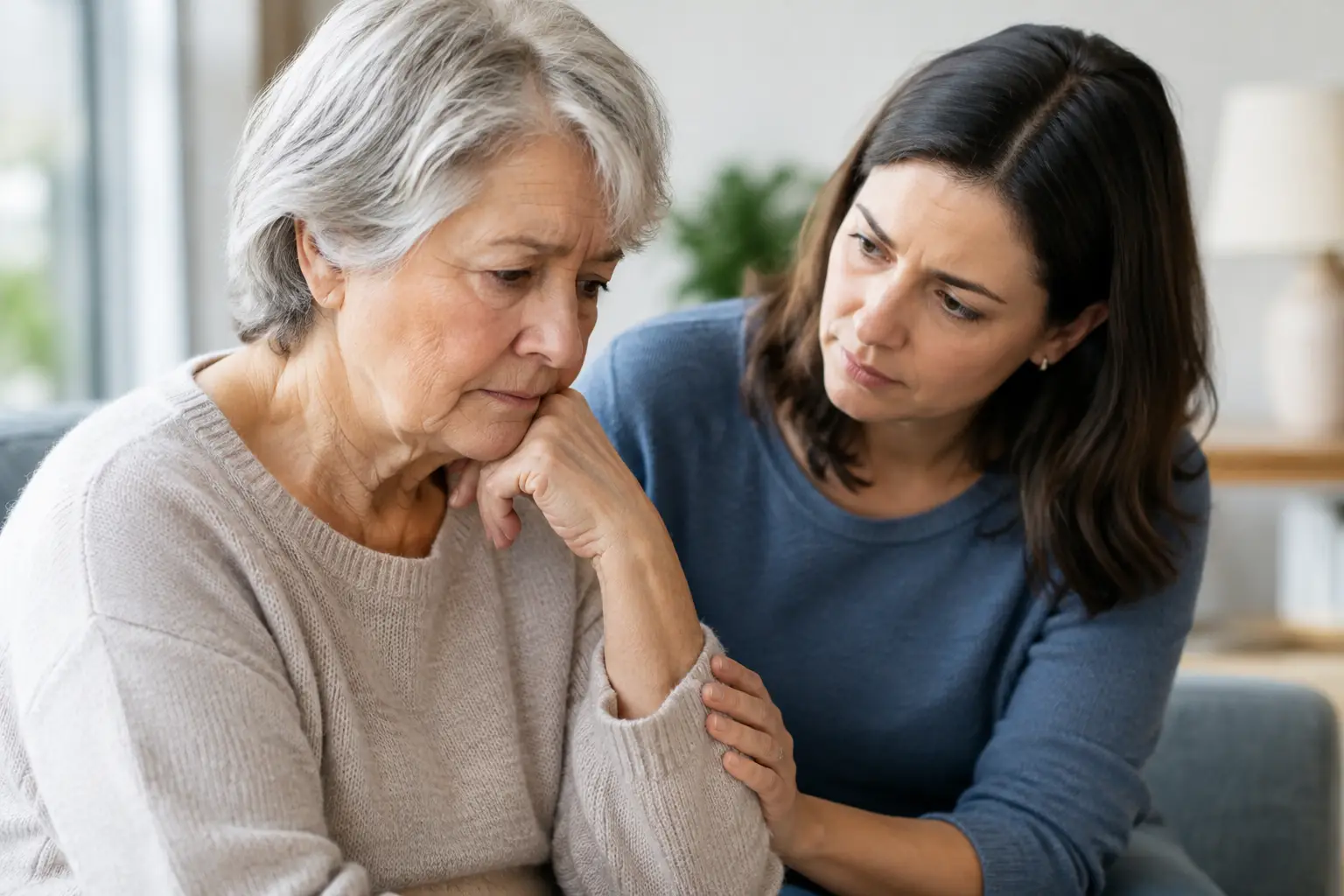
A new bruise is not always proof of abuse. A withdrawn parent is not always being mistreated. But when changes in a loved one’s health, mood, finances, or living conditions do not add up, families should pay attention. Elder abuse signs are often subtle at first, especially when an older adult is afraid, isolated, living with memory loss, or dependent on the person causing harm.
No family wants to believe a caregiver, nursing home employee, relative, or trusted acquaintance could hurt someone they love. Still, asking difficult questions is an act of protection, not betrayal. If something feels wrong, trust that concern enough to look closer.
Elder abuse is not limited to physical violence. It can include neglect, emotional abuse, sexual abuse, financial exploitation, abandonment, or improper use of medications and restraints. In nursing homes and assisted living communities, abuse may result from one person’s cruel conduct, but it can also grow out of understaffing, poor supervision, ignored care plans, or a facility placing profits ahead of resident safety.
Some injuries and changes have innocent explanations. Older adults can bruise more easily, fall because of balance issues, or become confused due to an illness or medication change. The concern rises when explanations are inconsistent, a pattern develops, or caregivers discourage questions and private conversations.
Bruises, cuts, burns, broken bones, welts, or pressure sores deserve a clear explanation. Pay close attention to injuries on the wrists, upper arms, neck, inner thighs, or torso, as well as injuries in different stages of healing. These can sometimes suggest grabbing, restraint, rough handling, or a fall that was not properly investigated.
Repeated falls should not automatically be dismissed as part of aging. A resident may be falling because staff did not respond to a call light, failed to provide needed assistance, left an unsafe area unaddressed, or ignored a fall-risk care plan. Ask when the fall occurred, who witnessed it, what medical evaluation followed, and what the facility changed to prevent another one.
Emotional abuse can leave no visible mark. An older adult who becomes unusually quiet, anxious, ashamed, depressed, or fearful around a particular caregiver may be trying to communicate distress without saying the words directly.
Listen for statements such as, “Please don’t make trouble,” “They will be mad at me,” or “I’m fine, I don’t need anything.” Notice whether a staff member insists on staying in the room during visits or answers every question for the resident. When possible, speak with your loved one privately, calmly, and without pressuring them to disclose more than they are ready to share.
Neglect is a serious form of elder abuse. Warning signs can include soiled clothing or bedding, unchanged bandages, unwashed hair, strong odors, missed meals, dehydration, untreated infections, poor dental care, or dramatic weight loss.
Pressure ulcers, often called bedsores, require special attention. They may develop when a resident is not repositioned, kept clean and dry, properly nourished, or monitored for skin breakdown. A pressure sore can worsen quickly and lead to painful infection, hospitalization, or death. Not every bedsore proves neglect, but a facility should be able to explain the resident’s risk level, prevention plan, treatment, and documentation.
A loved one who is suddenly over-sedated, confused, in pain, or declining physically may not be receiving proper medical care. Possible warning signs include missed doses, medication errors, unexplained new prescriptions, delayed treatment, failure to call a doctor, or staff brushing aside complaints of pain.
Families should ask direct questions. What medications is the resident taking? Has anything changed? When was the physician notified? What do the medical records show? A clear, respectful answer is reasonable. Evasive responses, missing records, or a refusal to discuss basic care can be cause for concern.
Financial exploitation often happens quietly. Watch for unexplained withdrawals, new credit cards, sudden changes to wills or beneficiary forms, missing valuables, unpaid bills despite adequate income, or a caregiver becoming overly involved in banking matters.
Older adults with dementia, loneliness, or limited mobility can be especially vulnerable to manipulation. A relative, neighbor, caregiver, or stranger may use threats, affection, deception, or access to personal information to take advantage of them. If possible, review financial statements regularly and preserve copies of anything unusual.
A facility does not have to strike a resident to place them in danger. Wet floors, broken equipment, missing mobility aids, blocked call lights, poor lighting, wandering residents, and long delays in responding to requests for help can all point to dangerous conditions.
Visit at different times if you can. An orderly lobby during visiting hours does not always reflect what happens overnight or on weekends. Observe whether residents appear clean, nourished, and attended to. Notice whether staff seem rushed, whether call lights go unanswered, and whether your loved one has access to glasses, hearing aids, water, and needed mobility devices.
If your loved one faces immediate danger or needs urgent medical attention, call 911. Do not wait for a facility administrator to decide whether the situation is serious.
When the danger is not immediate, begin creating a careful record. Take dated photographs of visible injuries or unsafe conditions when appropriate. Write down what your loved one says in their own words, along with dates, times, staff names, and the names of possible witnesses. Keep copies of care plans, billing records, incident reports, medication information, and communications with the facility.
You can also report suspected abuse, neglect, or exploitation to Florida’s Abuse Hotline at 1-800-962-2873. Reporting can help trigger an investigation and may protect other vulnerable adults as well. If your loved one is in a nursing home, it may also be appropriate to raise concerns with the administrator, director of nursing, or the resident’s physician. Put important concerns in writing so there is a record that the facility was notified.
There is a balance to strike. Confronting a suspected abuser in anger can sometimes lead to retaliation or give a facility time to change records or shape its story. Focus first on safety, medical care, documentation, and getting trustworthy support. If you need to move your loved one, make sure the transition does not interrupt necessary medications or treatment.
A legal claim may be available when abuse or neglect caused injury, illness, financial loss, hospitalization, or wrongful death. In some cases, the responsible party may be an individual caregiver. In others, the nursing home, assisted living facility, staffing company, or another organization may have failed in its duty to protect a resident.
A thorough review can examine staffing levels, care records, surveillance footage, incident reports, employee histories, medical records, and prior complaints. These details matter because facilities and insurers may try to call a preventable injury an unavoidable consequence of aging. Families deserve an honest assessment of what happened and whether someone failed to provide the care their loved one deserved.
Compensation cannot erase the harm, but it can help cover medical expenses, relocation costs, pain and suffering, lost property, and other losses. In the most devastating cases, a family may have grounds to pursue a wrongful death claim. The facts, the resident’s condition, and the available evidence all matter, so prompt action can make a real difference.
The Law Offices of Stephen A. Smith understands that families facing suspected nursing home abuse need both compassion and strength. You should not have to face a powerful facility or insurance company alone while worrying about the safety of someone you love.
Your loved one deserves to be treated with dignity, patience, and care. When the warning signs are there, speaking up may be the protection that changes everything.


