
Call For a Free Consultation | (904) 357 0090 | Available 24/7
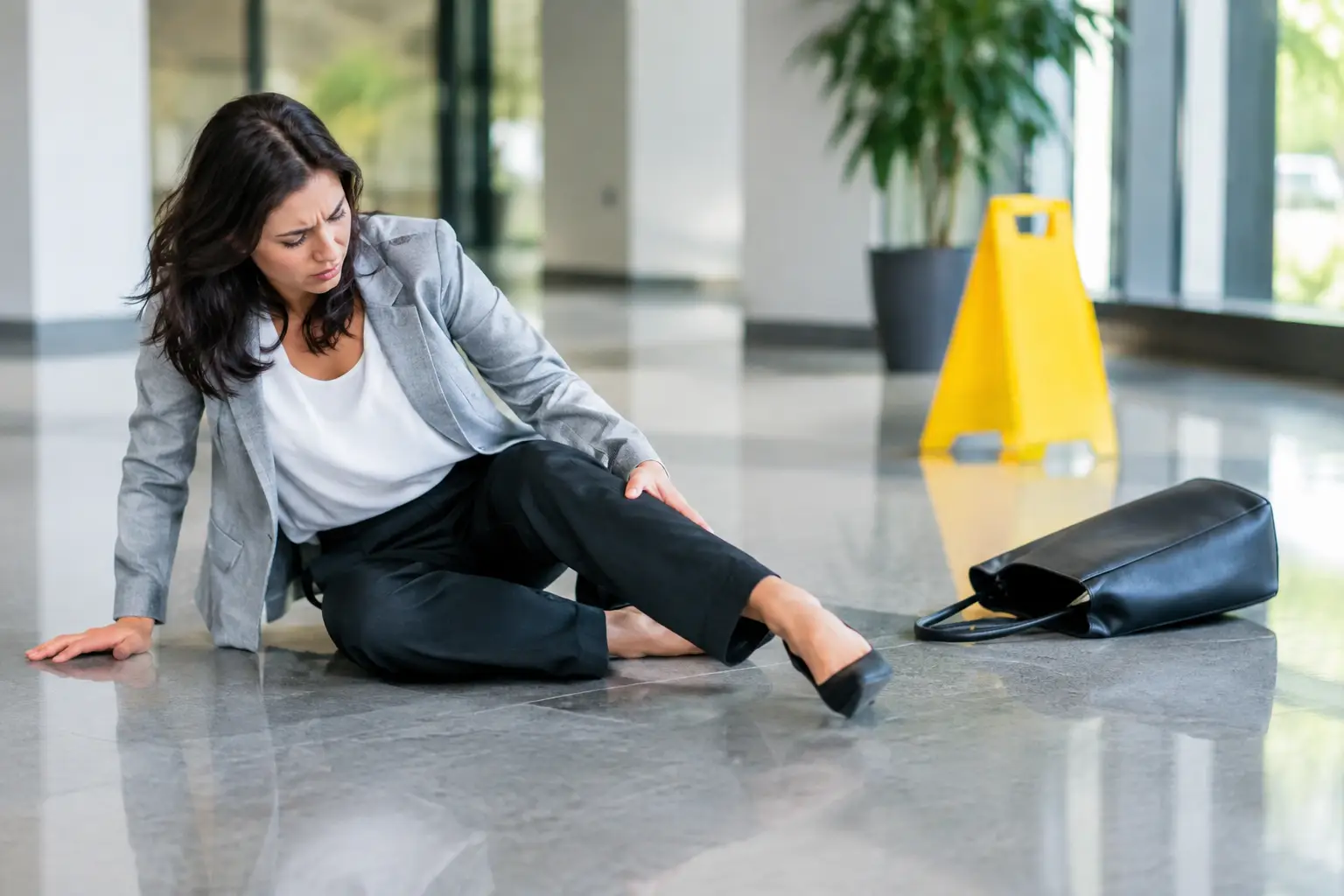
A wet grocery-store floor, broken apartment stair, loose handrail, poor lighting in a parking lot, or unmarked hole at a business can change a family’s life in seconds. Premises liability cases give injured people a way to hold property owners and businesses accountable when unsafe conditions cause preventable harm.
After an injury, you may be in pain, missing work, and getting calls from an insurance company before you even know the full extent of your medical needs. You should not have to carry the financial burden for someone else’s failure to keep their property reasonably safe. Knowledge is power, and getting clear answers early can protect both your health and your claim.
Premises liability is a type of personal injury claim based on unsafe property conditions. In Florida, a property owner, landlord, business operator, or other party in control of property may be legally responsible when they fail to use reasonable care and someone is hurt as a result.
These claims are often called “slip and fall” cases, but the law covers much more than a fall. A claim may arise from dangerous walkways, inadequate security, falling merchandise, unsafe swimming pools, defective stairs, elevator problems, construction hazards, animal attacks, or neglected maintenance.
The central question is not simply whether you were hurt on someone else’s property. The question is whether a responsible party knew, or reasonably should have known, about a dangerous condition and failed to address it or warn people about it.
For example, a restaurant is not automatically liable because a customer slips. But if employees knew about a spill, created it, or failed to inspect and clean the area within a reasonable time, the business may be responsible. Each case turns on its facts, which is why evidence matters so much.
A successful claim usually requires proof that the property owner or operator owed you a duty of reasonable care, failed to meet that duty, and caused injuries that led to real losses. The details can become complicated quickly.
An unsafe condition may be obvious, such as a collapsed staircase, or easy to miss, such as a slick floor with no warning sign. Dangerous conditions can also develop over time. Worn carpet, cracked pavement, poor lighting, leaking ceilings, and missing safety barriers may show a pattern of neglect rather than a one-time mistake.
Photographs and video taken soon after the incident can be powerful. Conditions get repaired, cleaned, or changed. What was visible on the day of the injury may not be visible a week later.
In many Florida cases, the injured person must show the business or property owner had actual or constructive notice of the danger. Actual notice means someone knew about it. Constructive notice means the condition existed long enough, happened often enough, or was so apparent that a reasonable owner should have discovered it.
This is often where insurers fight hardest. They may say the hazard appeared moments before the accident or claim no employee knew it was there. Security footage, cleaning logs, maintenance records, employee statements, incident reports, and witness testimony can help reveal what actually happened.
Medical records connect the incident to your physical harm. Prompt medical care is not just about documentation. It is about making sure you receive the treatment you need before an injury becomes worse.
Some injuries are immediately clear, including fractures, head injuries, and deep cuts. Others, such as back injuries, soft-tissue damage, or traumatic brain injuries, may grow more serious over days or weeks. Do not let an insurer dismiss your pain simply because you did not leave the scene by ambulance.
Unsafe-property injuries happen almost anywhere people are invited, expected, or allowed to be. Retail stores, restaurants, hotels, apartment buildings, office complexes, hospitals, parking garages, amusement venues, and private homes can all become the setting for a claim.
Apartment and rental-property cases deserve special attention. Landlords may be responsible for common areas such as sidewalks, stairways, hallways, laundry rooms, parking lots, and pools. Depending on the facts, responsibility may also involve a property manager, maintenance company, security provider, or contractor.
Negligent security claims can arise when foreseeable criminal activity causes harm at an apartment complex, hotel, nightclub, shopping center, or parking area. These cases may involve broken gates, inadequate lighting, absent security personnel, or ignored reports of prior violence. They require careful investigation because the owner may argue that another person’s criminal act, not poor security, caused the injury.
Your first priority is your safety. Seek medical attention, follow your doctor’s instructions, and report the incident to the property owner, manager, or business as soon as you reasonably can. Ask for a copy of any incident report, but do not be surprised if the business refuses to provide one immediately.
If you can do so safely, take photos or video of the exact hazard, the surrounding area, your shoes, your injuries, and any warning signs or lack of warning signs. Get names and contact information for witnesses. Keep the clothing and footwear you wore that day in their condition after the incident, particularly if the business later tries to blame your shoes.
Avoid giving a recorded statement to the other side’s insurance company before you understand your rights. Adjusters are trained to limit what their company pays. A polite conversation can be used to suggest you were distracted, did not see an obvious condition, or were not seriously hurt.
You should also avoid posting details, photos, or opinions about the accident on social media. Insurers commonly look for material they can take out of context.
Possibly. Florida follows a modified comparative negligence system in most personal injury cases. A court or insurer may reduce compensation if an injured person shares some responsibility, such as walking while distracted or ignoring a clear warning. In many cases, a person found more than 50% responsible cannot recover damages.
That does not mean you should accept blame because an insurer says you were careless. Property owners frequently argue that hazards were “open and obvious,” yet that defense does not automatically erase responsibility. A condition can be visible and still unreasonably dangerous, particularly where customers or tenants are expected to walk.
The facts matter: lighting, crowding, warnings, the purpose of the area, prior complaints, maintenance history, and whether the owner had a safer alternative can all affect the outcome.
A fair claim should account for more than the first emergency-room bill. Depending on the injury and available evidence, compensation may include medical expenses, future treatment, rehabilitation, lost income, reduced earning ability, pain and suffering, and the effect the injury has had on daily life.
When an unsafe condition causes a fatal injury, surviving family members may have a wrongful death claim. No legal action can replace a loved one. It can, however, provide accountability and financial support when a family is facing funeral costs, lost support, and an unimaginable absence.
The value of a claim depends on the severity of the injuries, insurance coverage, fault evidence, future care needs, and the strength of proof against the responsible parties. Be cautious of quick settlement offers. An early offer may arrive before you know whether surgery, extended therapy, lost earning capacity, or lasting pain will shape your future.
Businesses and insurers often begin protecting themselves immediately after an incident. Video can be overwritten. Floors can be repaired. Witness memories fade. The longer an injured person waits, the harder it can become to prove what happened.
A premises liability attorney can investigate the scene, seek preservation of surveillance footage and records, identify all responsible parties, calculate the full impact of your injuries, and handle insurance communications. At The Law Offices of Stephen A. Smith, we believe people harmed by negligence deserve compassionate guidance and a strong fight for the justice they are owed.
You do not need to have every answer before asking for help. If unsafe property has left you injured or grieving, preserve what you can, focus on your care, and speak with an attorney promptly. Faith can fuel the fight, but timely action helps protect the evidence your family may need.


