
Call For a Free Consultation | (904) 357 0090 | Available 24/7
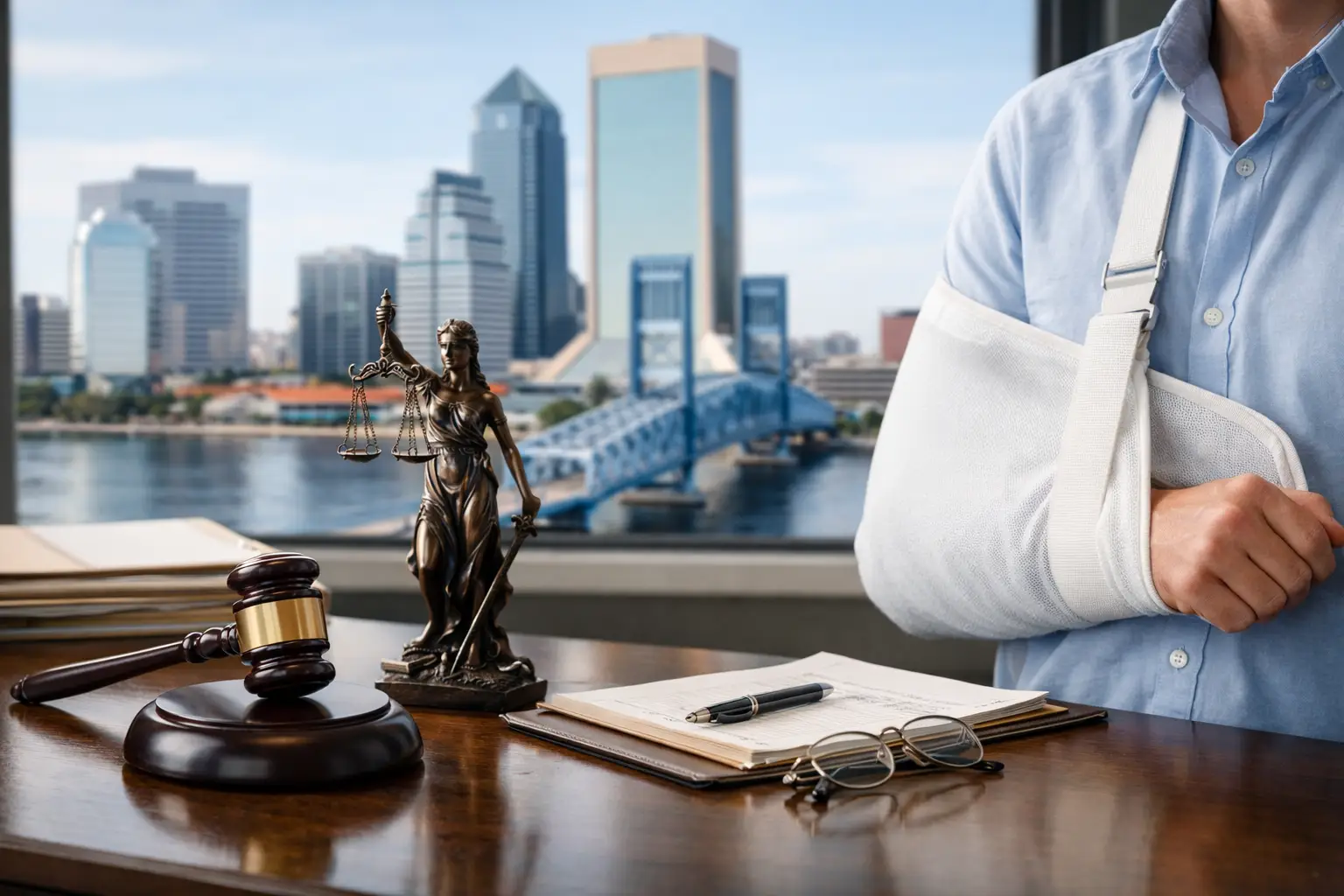
A collision on I-95, a fall in a store, or an injury at a construction site can change a family’s financial footing in a single afternoon. This Jacksonville injury litigation guide explains what happens after an accident claim becomes a legal fight, what you can do to protect your rights, and why early action often makes a real difference.
Insurance companies move quickly because they know evidence fades, memories shift, and injured people need money. You do not have to accept their version of what happened or sign away a claim before you understand the full cost of your injuries. Where faith and justice meet, injured people deserve honest counsel, compassionate care, and a determined fight for accountability.
Most personal injury cases begin as insurance claims, not lawsuits. A lawyer investigates the event, documents damages, identifies available insurance coverage, and presents a demand for compensation. Litigation may become necessary when the insurer denies responsibility, minimizes a serious injury, disputes medical treatment, or makes an offer that does not reflect the harm done.
Filing a lawsuit does not mean a case will automatically go to trial. Many cases settle after a lawsuit is filed because both sides gain access to stronger evidence through the legal process. Still, a fair result often depends on preparing every case as though it may be presented to a jury.
This is especially true after a truck crash, wrongful death, medical negligence, nursing home abuse, or a serious premises liability incident. These cases can involve corporate defendants, multiple insurers, technical records, and experts who must explain how negligence caused the injury. A quick settlement can be tempting when bills are piling up, but it may leave a family paying for future care, lost income, or permanent limitations on its own.
Your health comes first. Get emergency care when needed, follow up with a qualified medical provider, and keep every appointment. Treatment records do more than support an injury claim. They help establish the nature of the injury, the care required, and the way the incident has affected daily life.
If you are able, preserve what you can. Save photographs of the scene, vehicles, hazardous condition, injuries, damaged clothing, and anything else that may later help show what occurred. Keep names and contact information for witnesses. Do not repair or discard important physical evidence before asking for legal guidance.
Four actions are particularly helpful early on:
An adjuster may sound concerned and still be gathering information to limit what the insurer pays. You can be respectful without accepting blame, guessing about your injuries, or agreeing that a settlement is fair before the full picture is known.
In many Florida injury cases, the central question is negligence. Put simply, the injured person must show that another person or business had a duty to act with reasonable care, failed to meet that duty, and caused legally recognizable harm.
The facts look different by case type. A driver may have been speeding, distracted, impaired, or following too closely. A business may have ignored a spill, broken stairway, poor lighting, or another unsafe condition it knew about or should have discovered. A trucking company may have hired an unqualified driver, failed to maintain equipment, or pressured a driver to violate safety rules.
Medical malpractice cases require a more specialized review. Poor outcomes alone do not necessarily prove negligence. The question is usually whether a health care provider departed from the applicable professional standard of care and whether that departure caused injury. These cases often require expert review before they can proceed.
Florida also recognizes comparative fault in many negligence cases. The defense may argue that an injured person was partly responsible, such as by speeding, ignoring a warning, or failing to watch where they were going. Fault can affect recovery, and in many cases a person found more than 50 percent responsible may be barred from recovering damages. There are important exceptions and case-specific rules, so do not assume an insurer’s accusation settles the issue.
A serious injury can create losses that last far beyond the initial hospital visit. The value of a case depends on the evidence, the available insurance or assets, the severity and permanence of the injury, and the effect on a person’s ability to work and live independently.
Compensation may include past and future medical expenses, rehabilitation, lost wages, reduced earning capacity, pain and suffering, disability, scarring, and the cost of help needed at home. In wrongful death claims, surviving family members may also have claims tied to lost support, services, companionship, and other legally recognized losses.
Florida’s no-fault auto insurance system can add confusion after a car crash. Personal Injury Protection benefits may cover part of certain initial losses, but they are limited and subject to requirements. For example, prompt medical attention can matter under PIP rules. When injuries are serious, a claim against the at-fault driver may be necessary to seek damages that PIP does not cover.
Workers’ compensation creates another set of trade-offs. It may provide benefits without proving employer fault, but it can limit the damages available directly from an employer. A negligent third party, such as a subcontractor, equipment manufacturer, or careless driver, may create a separate claim. Sorting out these overlapping rights takes careful legal analysis.
Florida law sets filing deadlines, called statutes of limitations, and the correct deadline depends on the type of claim and the facts. Many negligence lawsuits must be filed within two years of the injury. Wrongful death claims commonly have a two-year deadline as well. Medical malpractice and workers’ compensation matters have their own rules, notices, and timing requirements.
There are exceptions, but exceptions should never be your plan. Waiting can also make a case harder before any deadline arrives. Video footage may be overwritten, vehicles may be repaired or sold, witnesses may become unreachable, and records can become more difficult to obtain.
A lawyer can examine the calendar, preserve evidence, identify all responsible parties, and make sure a claim is not undervalued simply because the first obvious defendant has limited coverage. In a commercial vehicle collision, for example, responsibility may extend beyond the driver to a motor carrier, contractor, maintenance company, or another party.
After a lawsuit is filed, both sides exchange information in a process called discovery. Written questions, document requests, medical records, employment records, depositions, and expert evaluations may all become part of the case. This stage can feel personal, especially when the defense asks about prior injuries, work history, or daily activities. It is also where a prepared legal team can test the other side’s story.
Settlement discussions may continue throughout the case. Some disputes resolve at mediation, where a neutral professional helps the parties attempt an agreement. If a fair resolution is not offered, the case may proceed toward trial, where a judge or jury decides disputed issues.
There is no honest way to promise a particular result or predict exactly how long a case will take. A straightforward claim with clear coverage may resolve sooner than a complex trucking or malpractice case. What should not vary is the commitment to keep the client informed, explain choices plainly, and pursue the actual financial recovery the evidence supports.
The lawyer you choose should be prepared to listen before making promises. Ask who will handle your case, how often you can expect updates, whether the firm has trial experience, and how fees and case expenses work. A contingency-fee arrangement generally means attorney fees are paid only from a recovery, but clients should still receive a clear explanation of the agreement and possible costs.
The Law Offices of Stephen A. Smith approaches injury cases with direct attorney involvement, strength at the negotiating table, and readiness for the courtroom. No one should have to face an insurer, a corporation, or an avoidable loss alone while trying to heal.
If an accident has left you hurting, overwhelmed, or uncertain about what comes next, preserve the evidence, get the medical care you need, and seek guidance before a deadline or a low offer narrows your options. Knowledge is power, but faith can fuel the fight for the justice your family deserves.


