
Call For a Free Consultation | (904) 357 0090 | Available 24/7
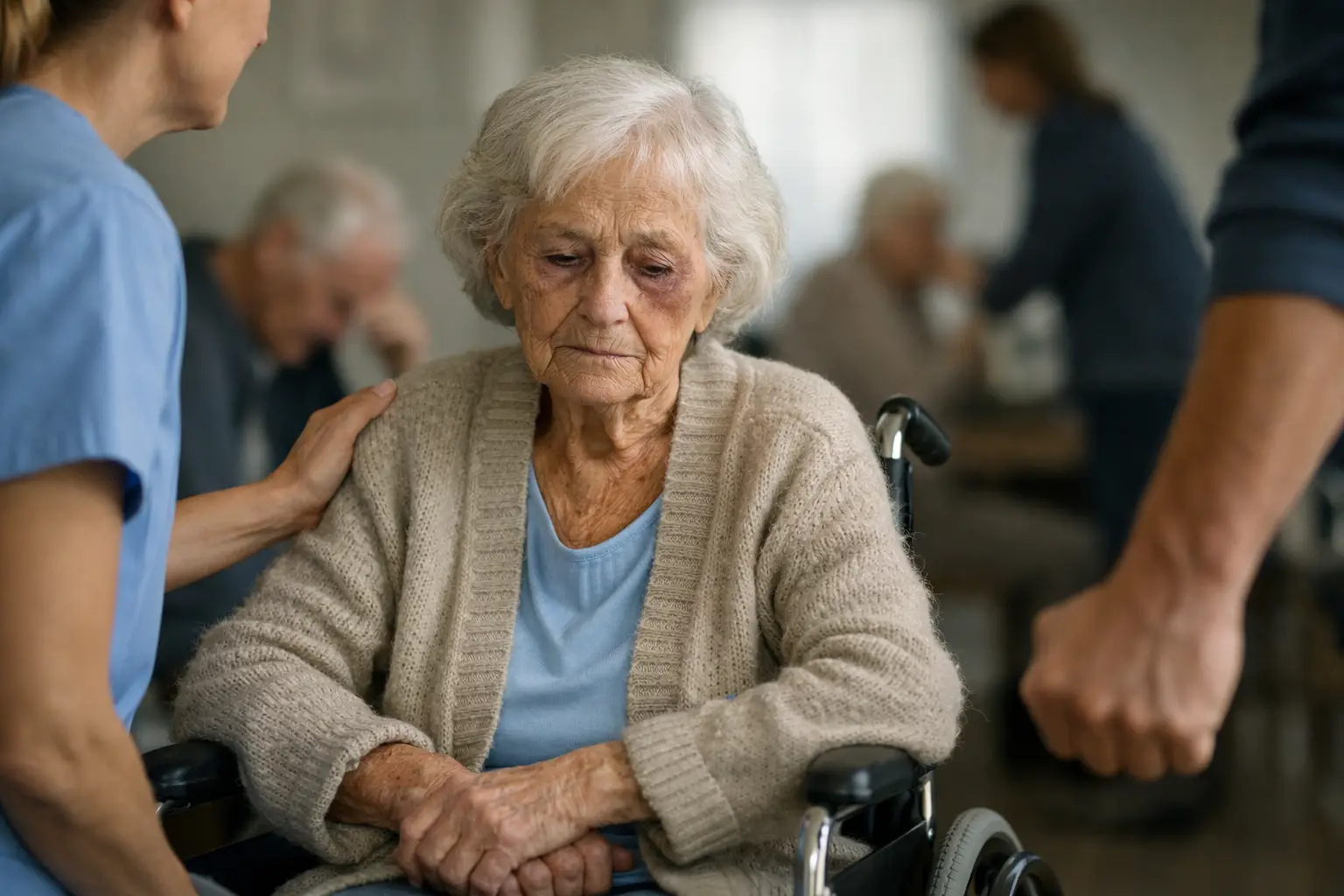
A nursing home should be a place where an older adult receives dignity, attention, and professional care. When a loved one becomes quieter, fearful, injured, or suddenly neglected, families may feel something is wrong but struggle to put the pieces together. Knowing the top signs nursing home abuse can help you act before a preventable situation becomes a life-altering injury or wrongful death.
Not every unexplained bruise or change in mood proves abuse. Older adults may have fragile skin, memory loss, serious medical conditions, or difficulty communicating. Still, families should never dismiss a concerning pattern simply because a facility offers a quick explanation. Trust your observations, ask direct questions, and keep advocating for the person who depends on you.
Abuse and neglect can take many forms. A resident may be physically harmed, emotionally intimidated, sexually abused, financially exploited, or left without the basic care they need. Often, the warning signs are subtle at first.
Injuries without a clear, believable explanation deserve immediate attention. Bruises on the arms, wrists, face, thighs, or torso can be especially concerning if they appear to suggest gripping, restraint, or rough handling. Falls do occur in nursing facilities, but a facility should be able to explain when, where, and how a fall happened, what care was provided, and what steps it will take to prevent another one.
Repeated falls, fractures, burns, or injuries that staff members describe differently can point to inadequate supervision, improper transfers, medication problems, or physical abuse. Ask for the incident report and medical records. Do not rely solely on a verbal reassurance that your loved one is “fine.”
Pressure ulcers, commonly called bedsores, can develop when residents are not repositioned, kept clean and dry, properly nourished, or monitored for changes in their skin. Some residents face a higher risk because of mobility limitations or medical conditions. Yet many serious bedsores are preventable with appropriate care.
A sore that is deep, infected, foul-smelling, or left untreated may signal neglect. So can unexplained weight loss, dehydration, soiled clothing or bedding, poor hygiene, and an unkempt appearance. These are not minor matters of housekeeping. They can be evidence that a vulnerable resident is being left without necessary care.
A loved one who was once talkative may become silent when certain employees enter the room. They may seem anxious before bathing, resist being touched, cry unexpectedly, have trouble sleeping, or beg not to be left alone. For residents with dementia, behavioral changes can be attributed too quickly to cognitive decline when fear, pain, or mistreatment may be part of the picture.
Pay attention to timing. Does your loved one become distressed after a particular shift? Do they seem afraid to speak while staff are nearby? If possible, talk with them privately and calmly. Avoid questions that pressure them to give a certain answer. Simple questions such as “Do you feel safe here?” or “Has anyone hurt or scared you?” may open the door.
Weight loss, cracked lips, dizziness, confusion, dark urine, fatigue, or a lack of appetite can indicate dehydration or malnutrition. Those issues may result from medical conditions, but they may also occur when staff fail to assist a resident with meals, fail to monitor fluid intake, or ignore swallowing needs.
Medication mistakes can also cause serious harm. Watch for sudden sedation, unusual confusion, missed doses, unmanaged pain, or a major change in condition after medication is given. A nursing home has a duty to administer and monitor medications carefully. When errors occur, families deserve clear answers and prompt medical assessment.
One of the more troubling top signs of nursing home abuse is not a visible injury. It is a facility’s behavior when family members seek information. Be cautious if staff discourage unannounced visits, repeatedly claim your loved one is sleeping, refuse to let you speak privately with them, or become defensive about reasonable concerns.
A care facility should communicate respectfully and document significant changes in a resident’s condition. Delayed calls about falls, hospitalizations, infections, or injuries may be a sign that the facility is more focused on protecting itself than protecting your family member. Staffing shortages are real, but they do not excuse dangerous care or concealment.
Sexual abuse can be difficult for a resident to report, particularly when dementia, communication limitations, shame, or fear are involved. Warning signs can include genital bruising or bleeding, sexually transmitted infections, torn undergarments, unexplained pelvic pain, and sudden fear of personal care or a particular caregiver.
Treat any concern involving possible sexual abuse as urgent. Seek medical attention, preserve clothing or other possible evidence when appropriate, and report the concern promptly. Your loved one deserves protection, compassion, and a response that takes their dignity seriously.
Financial exploitation can happen inside or outside a nursing facility. Unexplained withdrawals, new credit accounts, missing jewelry, altered checks, sudden changes to legal documents, or a caregiver showing unusual interest in a resident’s finances are all red flags.
Keep records of valuables and review bank activity regularly if you are authorized to do so. A resident should not be pressured to give gifts, share account information, or sign documents they do not understand. Financial abuse can leave an older adult without the resources needed for their care and independence.
Your first priority is your loved one’s immediate safety. If they face an urgent medical emergency or immediate danger, call 911 and seek medical care. If the situation is not an emergency but you believe your family member is unsafe, consider moving them from the environment after speaking with appropriate medical professionals and authorities.
Document what you see. Take dated photographs of injuries, poor conditions, dirty bedding, or skin wounds when it is safe and respectful to do so. Write down your loved one’s statements as closely as possible to their own words. Keep a timeline with dates, staff names, changes in condition, calls to the facility, and the explanations you receive.
Request relevant records in writing, including care plans, medication administration records, incident reports, physician notes, and hospitalization information. Do not alter evidence or confront a suspected abuser in a way that could increase the risk to your loved one. Reports may be made to facility management and appropriate Florida agencies, but reporting internally should not be the end of the process when serious harm is suspected.
A legal claim may be appropriate when a resident was harmed because a nursing home, assisted living facility, employee, contractor, or medical provider failed to meet its obligations. Cases may involve understaffing, poor hiring or supervision, ignored fall risks, medication errors, untreated infections, preventable bedsores, physical assault, or failures to notify family members and physicians.
The facts matter. A bad outcome does not automatically mean a facility committed abuse or neglect, and facilities may argue that an injury resulted from a resident’s age or existing illness. That is why a careful investigation is so important. Records, witness statements, staffing information, medical expert review, and facility policies can help reveal whether neglect or wrongful conduct played a role.
A successful claim may seek compensation for medical expenses, pain and suffering, disability, losses connected to the resident’s care, and, in fatal cases, damages available to surviving family members. Just as important, legal action can demand accountability from a facility that put residents at risk.
The Law Offices of Stephen A. Smith approaches these cases with compassion for families and strength against those who fail the people entrusted to their care. You should not have to carry the burden alone or accept vague explanations when your loved one has been harmed.
If your instincts tell you something is wrong, do not wait for perfect proof before taking protective steps. Ask questions, preserve what you can, seek medical help when needed, and keep standing beside the person who needs your voice. Knowledge is power, and faith can fuel the fight for the dignity and justice your loved one deserves.


