
Call For a Free Consultation | (904) 357 0090 | Available 24/7
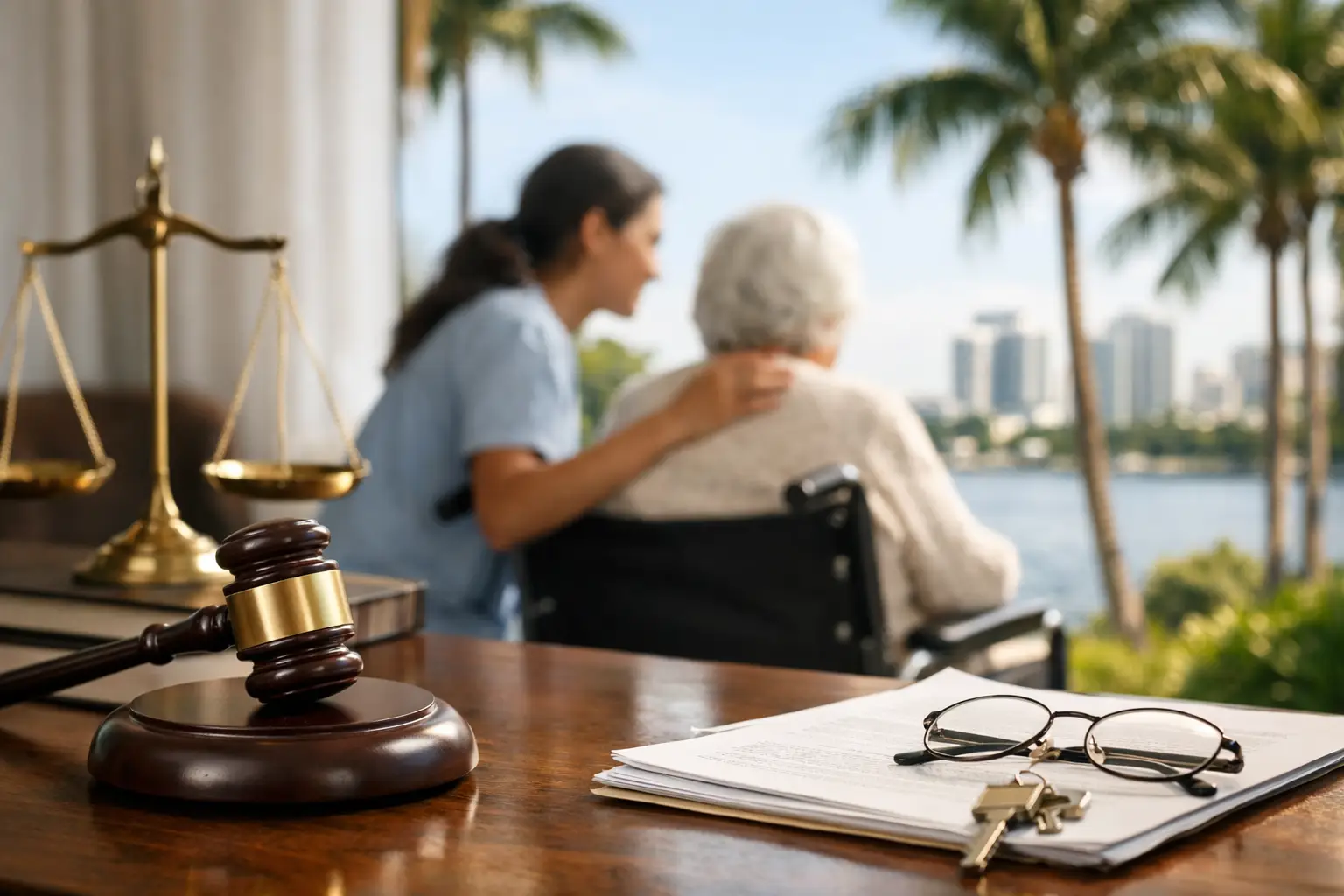
A parent who was once steady on their feet suddenly has repeated falls. A loved one develops a severe bedsore, loses weight, becomes withdrawn, or cannot explain bruises. Families often sense that something is wrong before they have the records to prove it. In those moments, the question is direct: can families sue nursing homes when a resident is harmed?
In Florida, the answer can be yes. Nursing homes have a legal duty to provide residents with reasonable care, appropriate supervision, a safe environment, and respect for their rights. When a facility, its staff, or its management fails that duty and a resident is injured, a legal claim may be available. Every case depends on the evidence, the resident’s condition, and the cause of the harm, but families do not have to accept neglect as an unavoidable part of aging.
A nursing home may be held responsible when negligence, abuse, or a violation of a resident’s rights causes injury or death. Florida law recognizes that residents are often vulnerable and dependent on the people entrusted with their daily care. A facility cannot excuse dangerous care simply by saying it was understaffed, busy, or dealing with a difficult resident.
Still, a bad outcome alone does not automatically prove a case. Some falls, infections, and health declines can occur despite proper care, particularly when a resident has serious medical conditions. The legal question is whether the facility acted reasonably under the circumstances and whether its failure caused or worsened the resident’s harm.
Claims may involve direct mistakes by a caregiver, such as failing to respond to a call light, as well as broader management failures. If a facility does not hire enough trained staff, ignores repeated safety concerns, fails to follow care plans, or does not properly monitor residents, the problem may reach far beyond one employee’s mistake.
Certain injuries should prompt immediate questions, especially if staff members offer shifting explanations or fail to notify the family promptly. Warning signs can include unexplained bruising, fractures, repeated falls, pressure injuries, dehydration, malnutrition, medication errors, untreated infections, wandering or elopement, and sudden emotional distress.
A pressure injury, for example, is not always proof of negligence. But it may be evidence that a resident was not regularly repositioned, assessed, kept clean, or provided with necessary nutrition and medical attention. The same is true of a fall. A facility may not be responsible for every fall, but it should assess fall risks and use appropriate precautions for residents who need help walking, transferring, or using the restroom.
Physical, emotional, sexual, or financial abuse can also support a claim. Suspected abuse should be taken seriously and reported immediately to the appropriate authorities. The resident’s immediate safety comes first.
The person harmed is usually the person with the legal claim. If the resident is able to make decisions, they may bring a lawsuit in their own name. A family member may be able to act for the resident if they have valid legal authority, such as a properly drafted power of attorney, or if a court appoints a guardian. The exact authority matters, and relatives should not assume that being a spouse, adult child, or emergency contact automatically gives them the right to file suit.
If the resident dies because of suspected neglect or abuse, the case may become a wrongful death claim. In Florida, the personal representative of the estate generally brings that claim on behalf of the estate and eligible survivors. Damages can depend on the family relationship, the losses suffered, and the facts surrounding the death.
This issue can feel painfully technical while a family is grieving. Yet identifying the right person to act early can protect the claim and reduce avoidable delays.
Most nursing home lawsuits require proof of four connected points: the facility owed the resident a duty of care, it failed to meet that duty, the failure caused injury, and the resident suffered damages. In practice, these cases are built from details.
Care plans, medication administration records, staffing schedules, incident reports, wound assessments, hospital records, witness accounts, photographs, and facility policies may all help show what happened. Medical experts may be needed to explain whether the facility’s care fell below accepted standards and whether that failure caused the injury.
The facility may argue that the harm resulted from the resident’s age, illness, preexisting condition, or an unavoidable accident. That is why a careful investigation matters. A resident can have serious health challenges and still be entitled to safe, attentive care. Preexisting conditions do not give a facility permission to ignore a care plan or leave a resident’s needs unmet.
Start by making sure your loved one is safe. If there is an urgent medical concern, seek medical attention. If remaining in the facility presents a danger, consider whether a transfer is necessary after speaking with medical professionals and understanding the resident’s care needs.
Then begin preserving information. Take clear photographs of visible injuries or unsafe conditions, write down dates and names, and save text messages, voicemails, billing statements, and communications with the facility. Ask questions in writing when possible. A simple timeline can become valuable later, particularly when events unfolded over weeks or months.
Request the resident’s medical and facility records promptly. Records may include care plans, nursing notes, medication logs, physician orders, incident reports, and records of communications with the family. Do not rely only on verbal explanations. A family deserves clear answers about what happened, when staff became aware of a problem, and what was done in response.
It is also wise to avoid signing broad releases, accepting a quick payment, or making assumptions based on an admissions agreement. Many nursing home contracts contain arbitration provisions. Those clauses can affect where and how a dispute is handled, but they do not necessarily erase a resident’s right to pursue accountability. The language and circumstances should be reviewed carefully.
Waiting can make a nursing home case harder to prove. Surveillance footage may be recorded over, staff members may leave, memories may fade, and critical documents can become more difficult to obtain. Florida also has deadlines and pre-suit requirements that may apply to nursing home negligence claims.
In many situations, Florida law provides a limited period to bring a nursing home negligence claim, often tied to when the injury occurred or when it was discovered or reasonably should have been discovered. There can be exceptions, different rules for wrongful death, and issues involving concealment, incapacity, or other facts. A family should get legal advice promptly rather than trying to calculate a deadline alone.
Before filing suit, Florida nursing home cases may require formal notice and an opportunity for the facility to investigate. These procedures are not mere paperwork. Missing a required step can put a valid claim at risk. An attorney can gather records, evaluate the facts, identify all responsible parties, and handle communications with the facility and its insurers.
A successful claim may seek compensation for medical expenses, pain and suffering, disability, disfigurement, emotional distress, and other losses allowed by Florida law. In a wrongful death case, damages may include losses suffered by eligible survivors and the estate. The available recovery depends on the evidence and the particular legal claim.
No lawsuit can undo a preventable injury or restore time lost with someone you love. But holding a negligent nursing home accountable can provide resources for needed care, protect a family’s financial stability, and send a clear message that vulnerable residents must be treated with dignity.
If you believe a Florida nursing home harmed someone you love, trust the concern that brought you here. Ask for records, protect your family member, and speak with a lawyer who will listen carefully and fight for the truth. At the Law Offices of Stephen A. Smith, families can seek compassionate, aggressive guidance with no fee unless we win. Knowledge is power, and faith can fuel the fight for justice when a loved one’s care has been betrayed.


